A building that stays useful
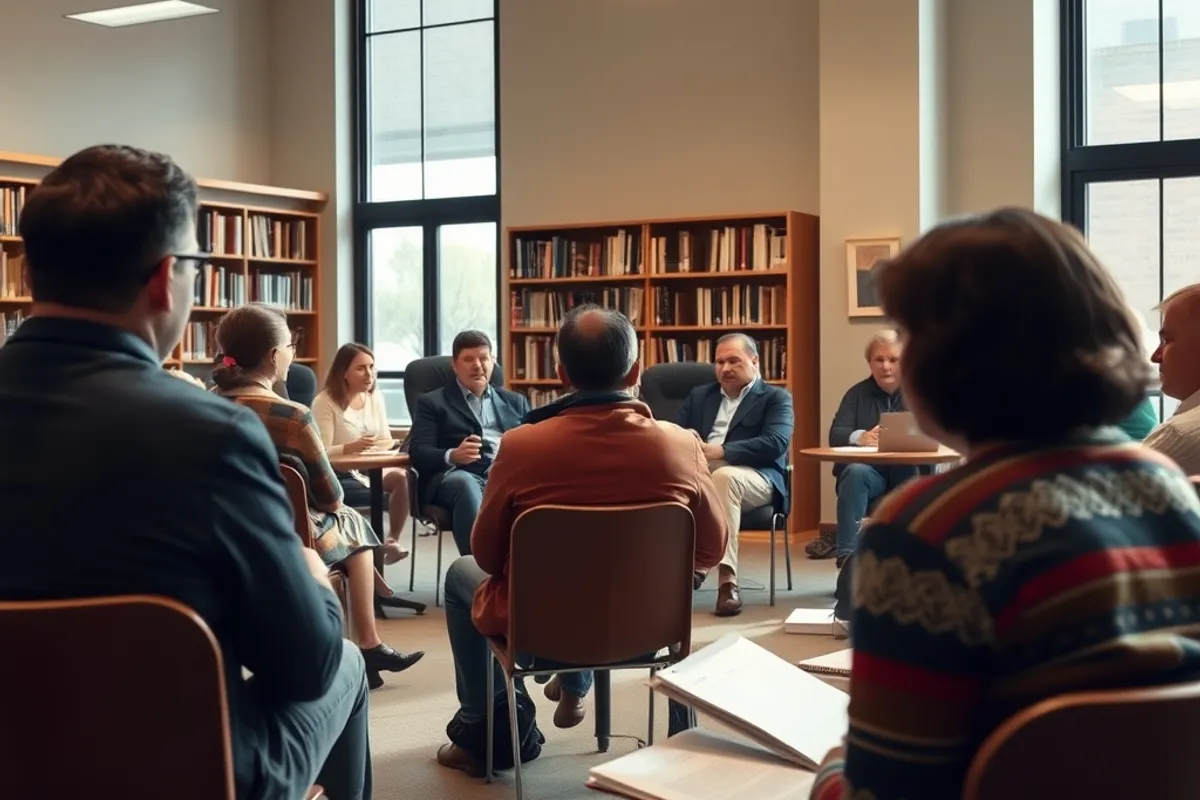
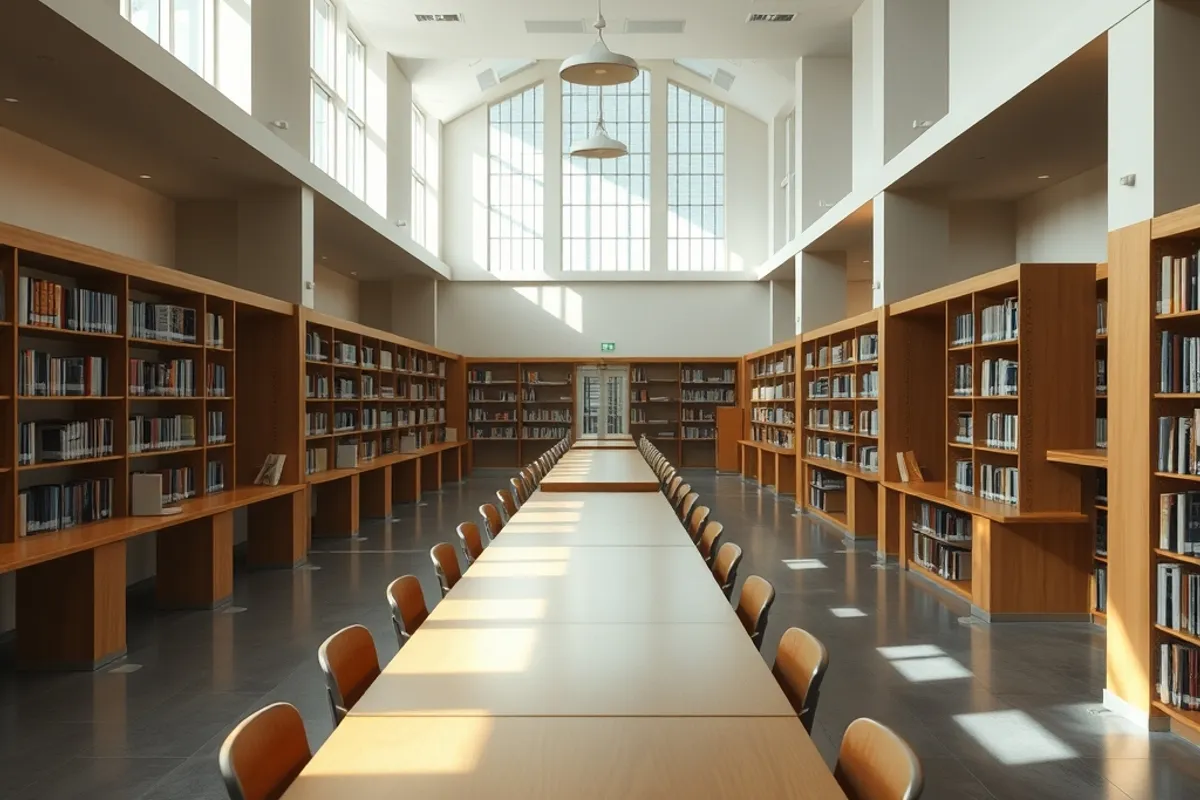
In 2026, the public library was less a warehouse for books than a room where the day could be spent. Students arrived with laptops, remote workers booked quiet tables and parents used the children's area before school. The shelves were still there, but they no longer explained the building on their own.
City officials increasingly describe libraries as civic infrastructure, alongside transport and health clinics. That language matters because it changes what counts as a service: heating, reliable internet and a safe place to wait all became part of the case for funding. It also connects to the local election turnout debate, where access to public buildings is a practical question.
Desks, sockets and quiet rules
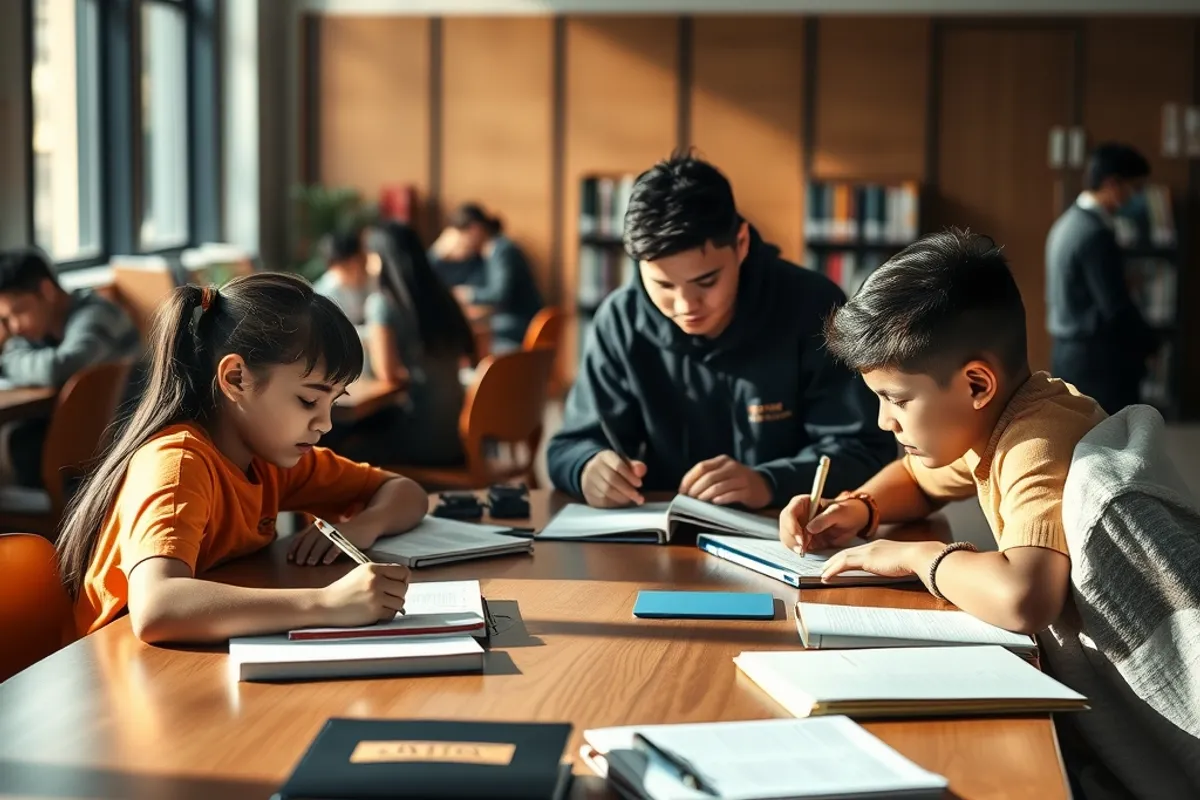
The most requested features in our branch visits were mundane. Power outlets, stable Wi-Fi, accessible desks and clear rules about noise drew more comment than new book displays. Librarians said a working lamp could matter as much as a new catalogue.
That demand created its own management problems. A room that welcome remote workers all day needs a policy for long sessions, meetings and phone calls. Several branches responded with timed study seats and a small number of bookable rooms rather than trying to keep every table silent.

The digital help desk
Help with forms, devices and accounts moved from the edge of library work to the centre. Staff assisted visitors with job applications, housing paperwork, online banking and school portals. The questions were specific and often urgent, which changed how desks were staffed.
Some branches set aside fixed drop-in hours so residents knew when to arrive. Others trained volunteers to handle basic device questions while librarians focused on benefits and immigration forms. The result is a service that looks unlike traditional reference work but serves the same purpose: helping people find reliable information.
The library is no longer judged only by the books on its shelves. It is judged by whether there is a place to sit, a socket and someone who can help.
Money behind the open door
The cost of keeping a branch open rose in 2026 through energy bills, wage pressure and higher prices for print and digital licences. Councils protected opening hours where they could, but collections and events were easier to cut. A shorter evening service is visible to everyone; a thinner periodicals shelf is not.
Financial pressure also changed partnerships. Libraries shared staff with community centres, bought fewer databases and leaned on friends groups for local events. These measures kept doors open, but they made the quality of service depend more on what each neighbourhood could raise itself.
Who fills the reading room
The weekday audience was broad and surprisingly consistent. Teenagers used the library after school, jobseekers stayed for applications and older residents came for newspapers, warmth and conversation. Many visitors did not borrow anything during a visit.
That pattern complicates the old measure of success based on loans alone. Branch managers tracked seating use, help requests and attendance at sessions instead. The nearby high street food report describes a similar shift: people judge a public place by whether it fits into an ordinary day.

What survived the budget round
Most branches kept the services that people used repeatedly. Quiet study areas, Wi-Fi, children's sessions and help desks survived cuts more often than specialist stock or one-off celebrations. Libraries that published their hours and service changes clearly had fewer complaints.
The shared-space role looks likely to remain, because it answers needs that other public rooms do not. The risk is that a building becomes busy without being properly funded for that work. A library can welcome everyone, but only if someone is paid to keep the room working.