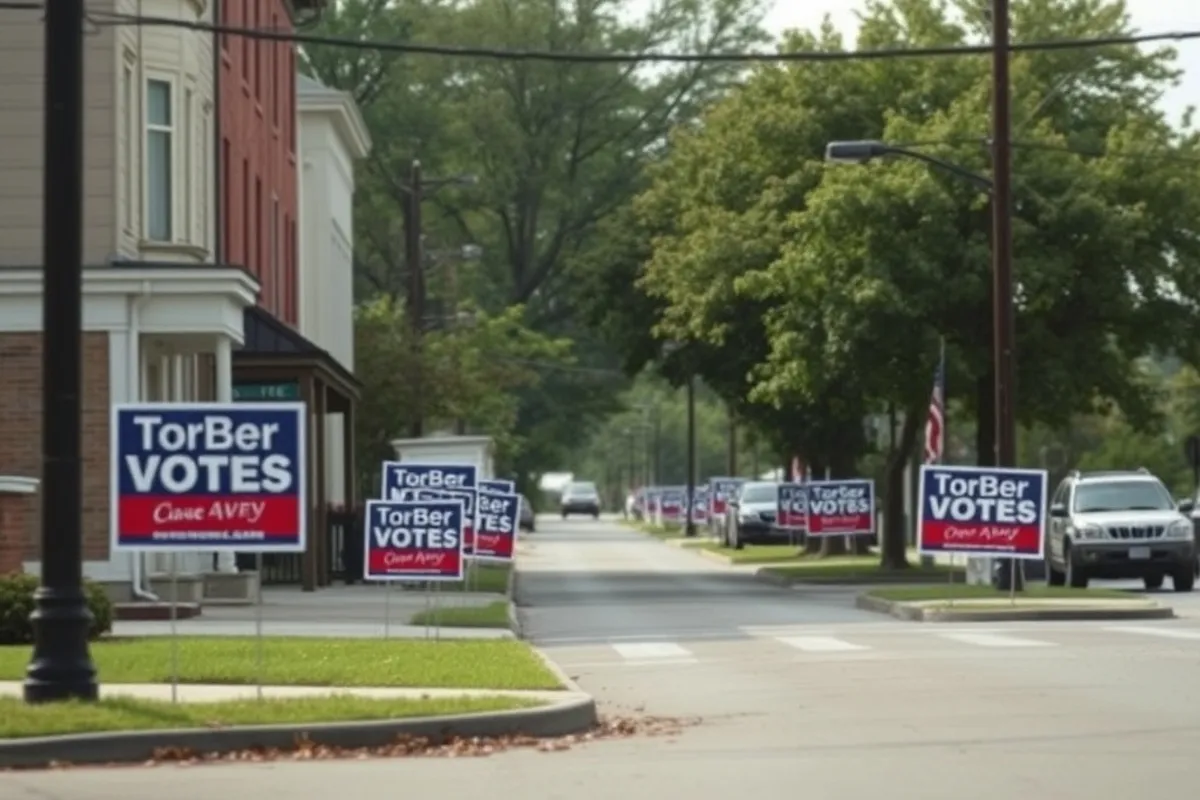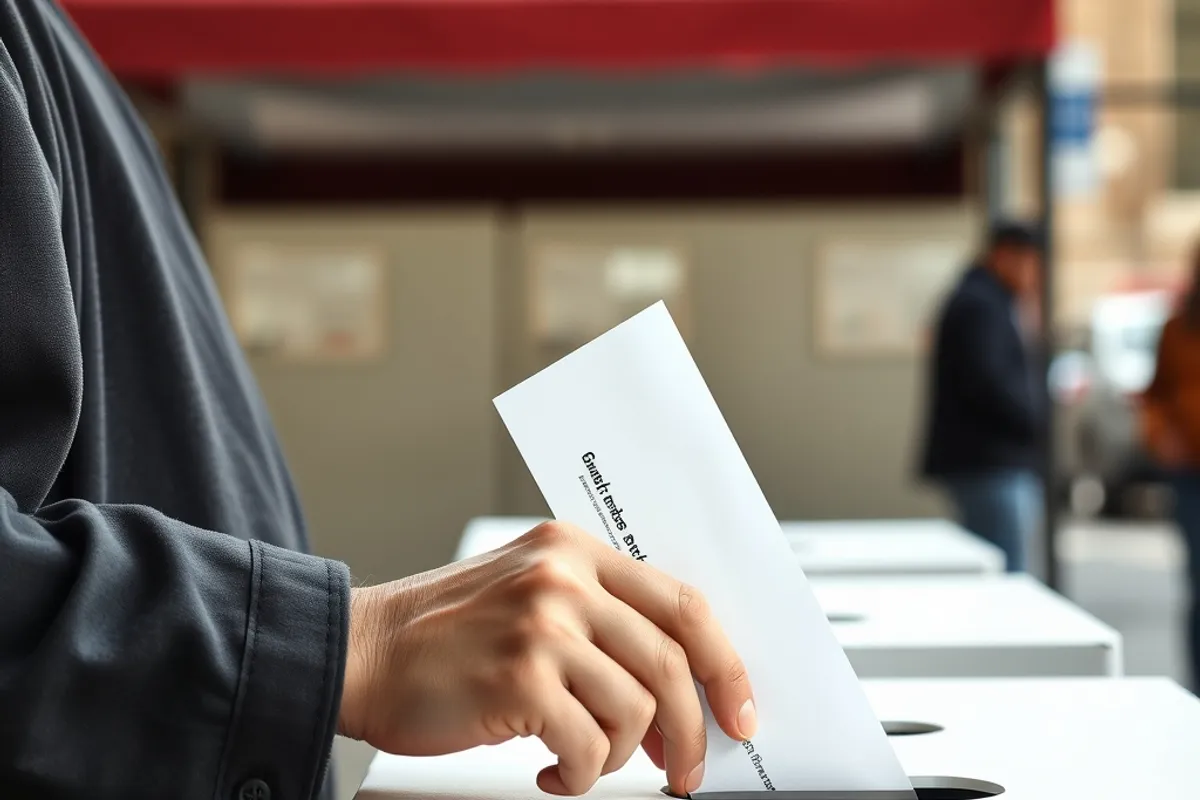
Reading the ballot after the speeches
Election night gives a city its first story, but certified returns give it a usable one. In 2026, several mayoral races looked settled on television and then narrowed once late postal ballots and provisional records were checked. The gap between the first headline and the final certificate is where much of the year's local politics actually happened.
To read that gap, start with the count sheet: which ballots were included, which wards reported late, and when the election office declared the total final. The same habit helps with other policy reporting, from relief route updates to budget votes. A certified figure is not slower news; it is the version that can be relied on.
Turnout was local, not uniform
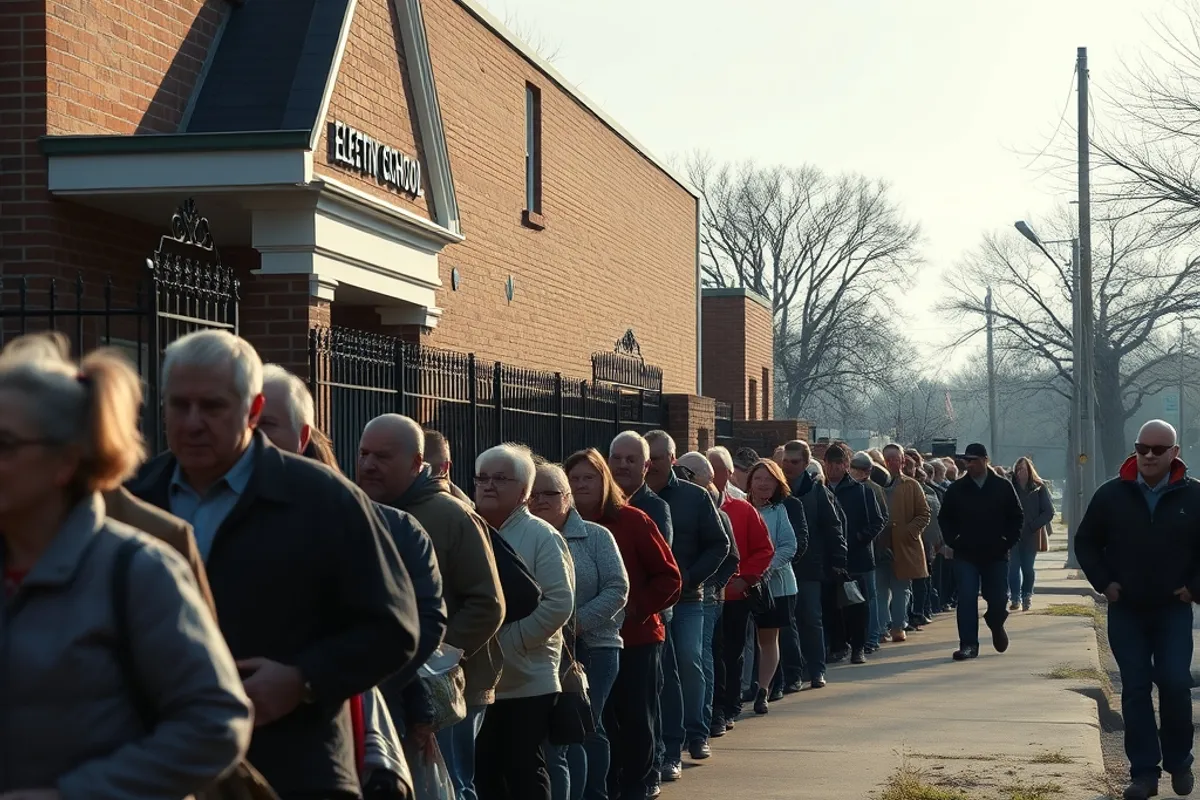
Turnout did not rise or fall in a single direction across a city. Inner wards with early polling places often saw steady queues, while outer districts reported sharper dips when bus services were reduced on polling day. A mayoral candidate could therefore gain votes and still lose ground where it mattered for the council.
That pattern makes percentages misleading on their own. A two-point swing in a ward with a large turnout can outweigh a ten-point swing in a ward where few people voted. Comparing raw ballot counts with the registered-elector roll is a slower read, but it stops a loud campaign narrative from hiding a quiet shift.
What the counting rules decided
Counting rules rarely make headlines until they change a winner. In several 2026 city contests, automatic recount clauses were triggered by margins that looked small but sat just above the threshold for a full hand recount. In others, a candidate's request had to be lodged within a fixed window, which made the clerical deadline as important as the argument.
Postal batch deadlines mattered just as much. Some election offices accepted ballots arriving after polling day if the postmark was valid, while others required arrival by close of business. Neither rule is exotic, yet each can move a council seat from one party to another before anyone has finished the victory speech.
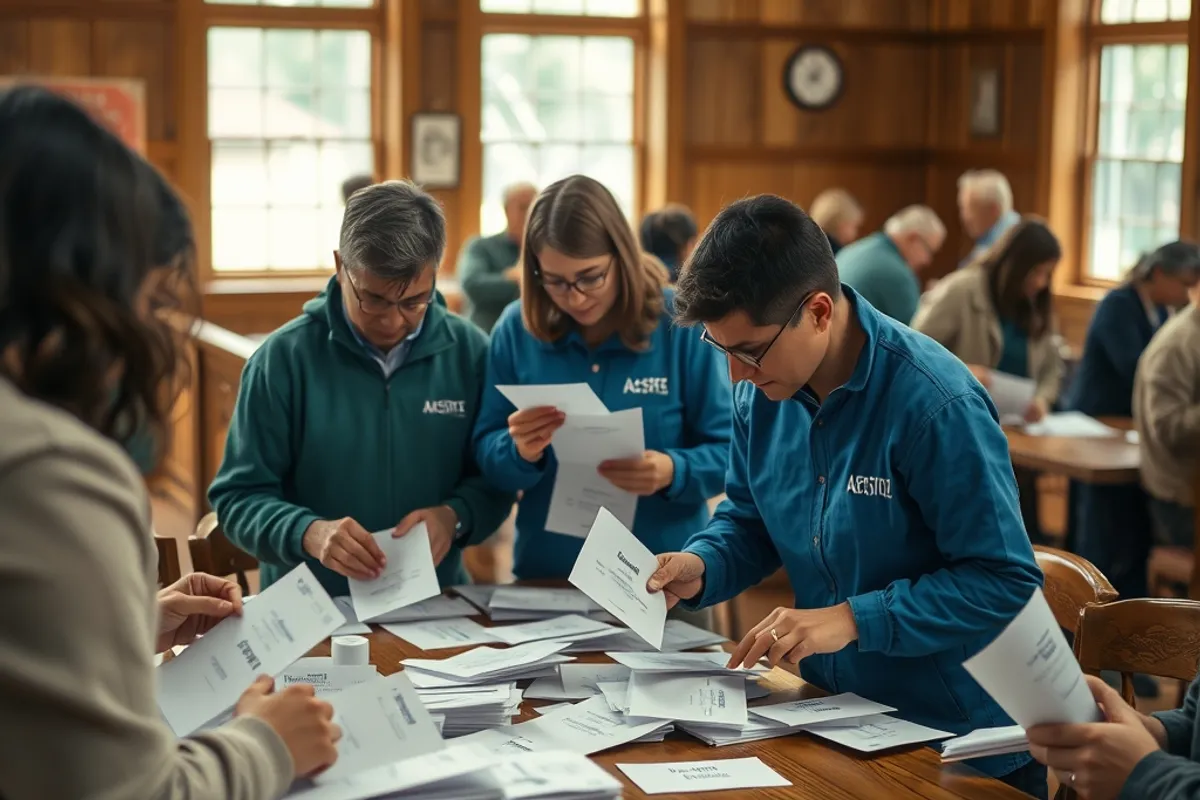
A city result is not a verdict until the counts are certified and the coalition is written down.
Coalition talks began before the certificates
In council chambers, the arithmetic of the vote is only the opening position. Once seats were allocated, larger parties opened talks with smaller groups whose policies were nowhere near the campaign leaflets. A few mayoralties were settled less by the ballot than by which council bloc would supply a majority.
The documents that follow are more useful than the rumours. Coalition agreements usually list committee chairs, spending priorities and the issues a junior partner will not support. Readers who want to know whether a campaign promise survived should read that chapter before the inaugural address.
Prices, libraries and the issues that travelled
Local campaigns are often described as personality contests, but the 2026 returns followed everyday concerns. Questions about food costs, rent and the price of household energy appeared in ward-level result commentary again and again. Where those concerns were absent from a candidate's leaflets, the turnout pattern was usually weaker.
Public services travelled almost as far. Libraries, bus timetables and planning decisions produced more specific local conversation than national party branding; our price basket reporting tracks the household side of that same pressure.
A reliable way to follow the next result
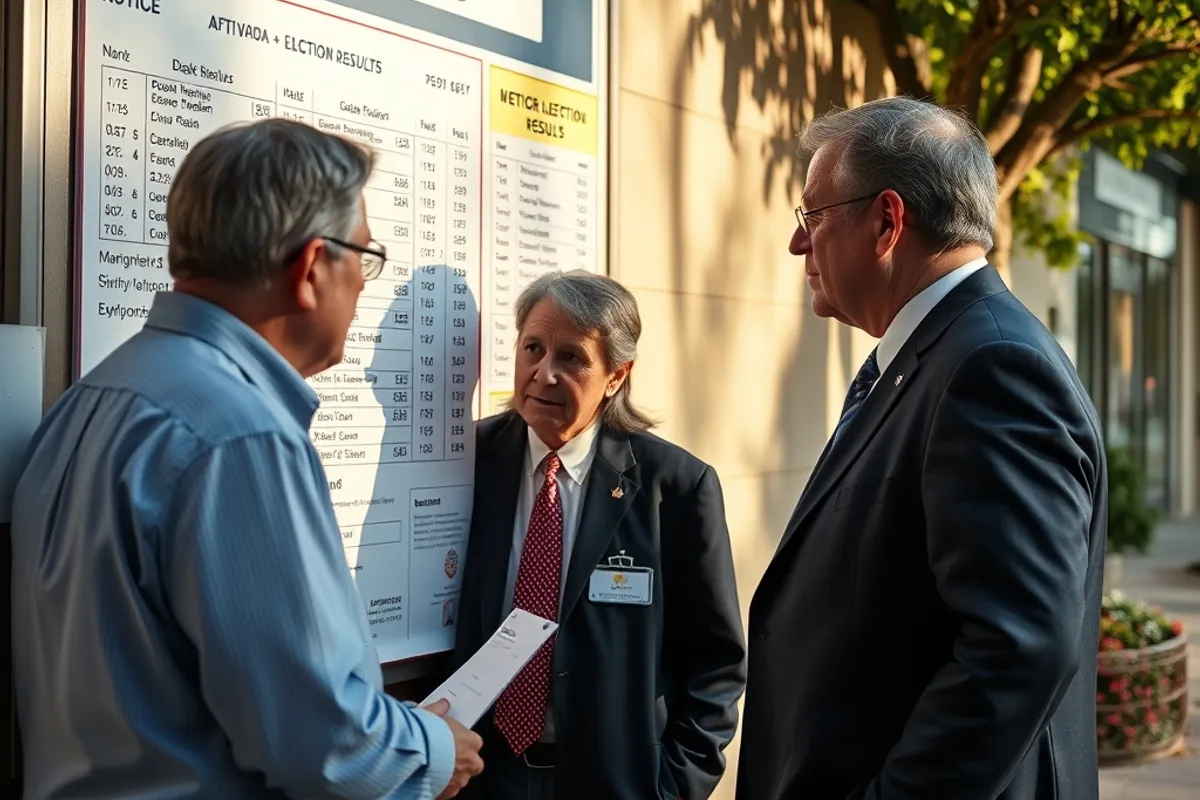
Wait for three documents before treating a city race as finished: the certified return, the turnout table and the coalition or cabinet statement. Each answers a different question, and none should be skipped because an earlier headline felt conclusive. When they disagree with the election-night narrative, the documents win.
Close local results are not a sign that something went wrong. They are a sign that a city divided its vote across many wards and many priorities. The useful test is whether the count is public, the rules are known and the handover of power is orderly.