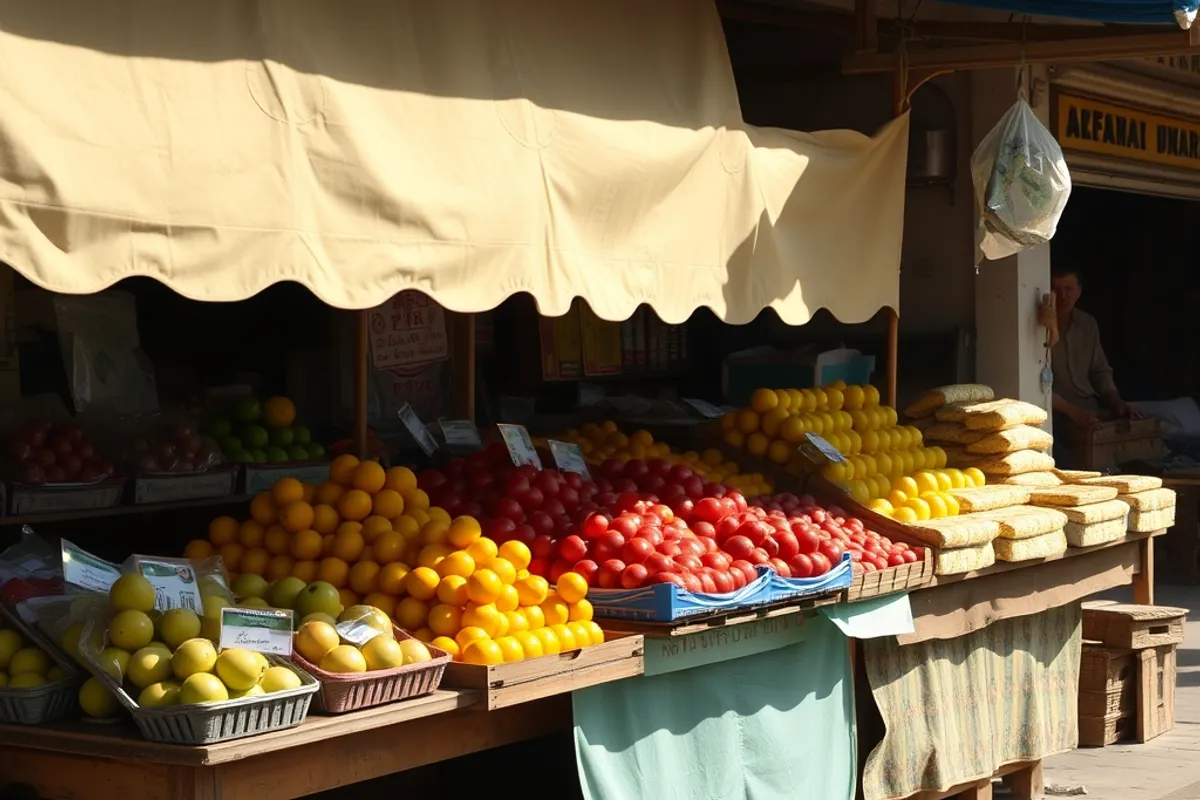
The rent reached the till
On many high streets in 2026, the price of a lease decided what kind of food could survive. A restaurant with a large dining room needed enough evening trade to cover rent before it paid staff. Several owners moved to smaller units or gave up a second sitting to reduce costs.
The pressure was uneven. A corner takeaway with a short lease could adjust faster than a family restaurant tied to a long agreement. Agents reported more short-term lets, which lowered the risk of signing but made it harder to invest in a kitchen.
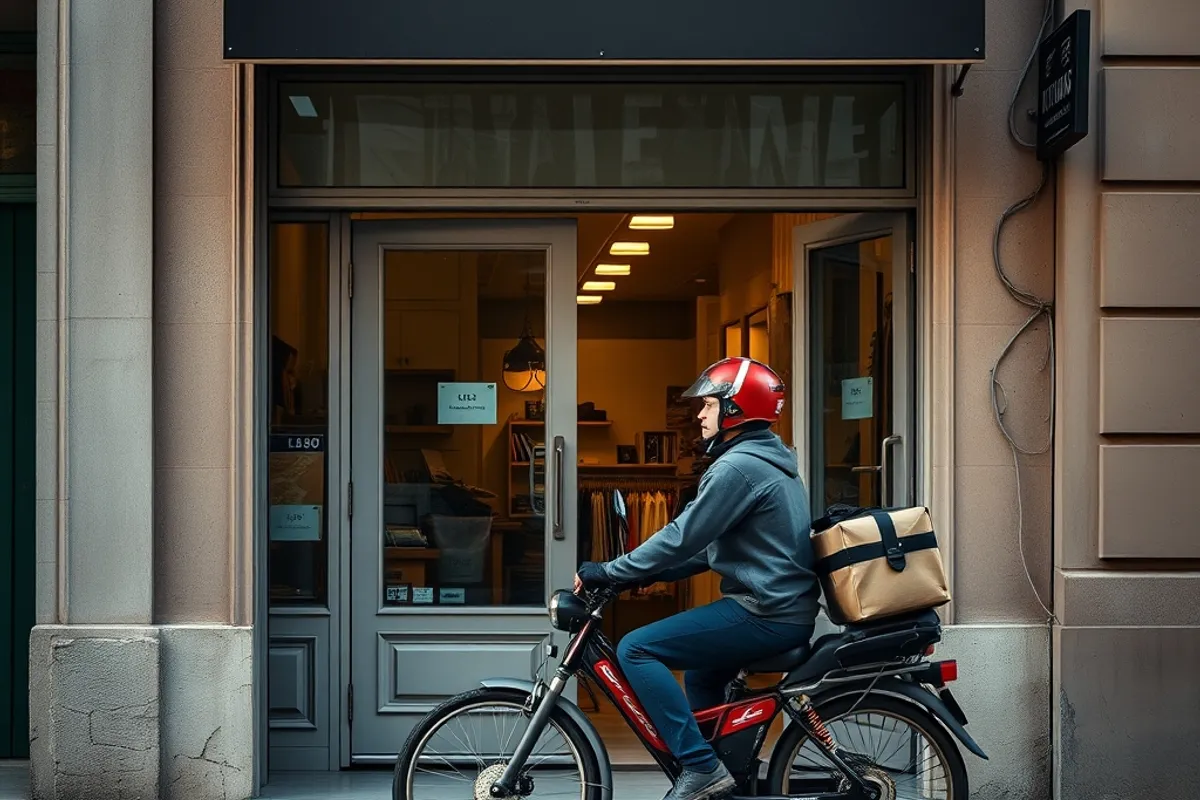
Delivery apps changed the queue
Delivery platforms brought a new stream of orders to neighbourhood shops. They also took a share of each sale and pushed kitchens to prepare food quickly during narrow peaks. Owners said a busy app screen did not always mean a profitable evening.
Many businesses changed their menus in response. Items that travelled well replaced dishes that depended on being eaten immediately, and prices were adjusted to cover packaging and commission. Some shops limited delivery hours to protect the regular counter queue.
Small kitchens adapted
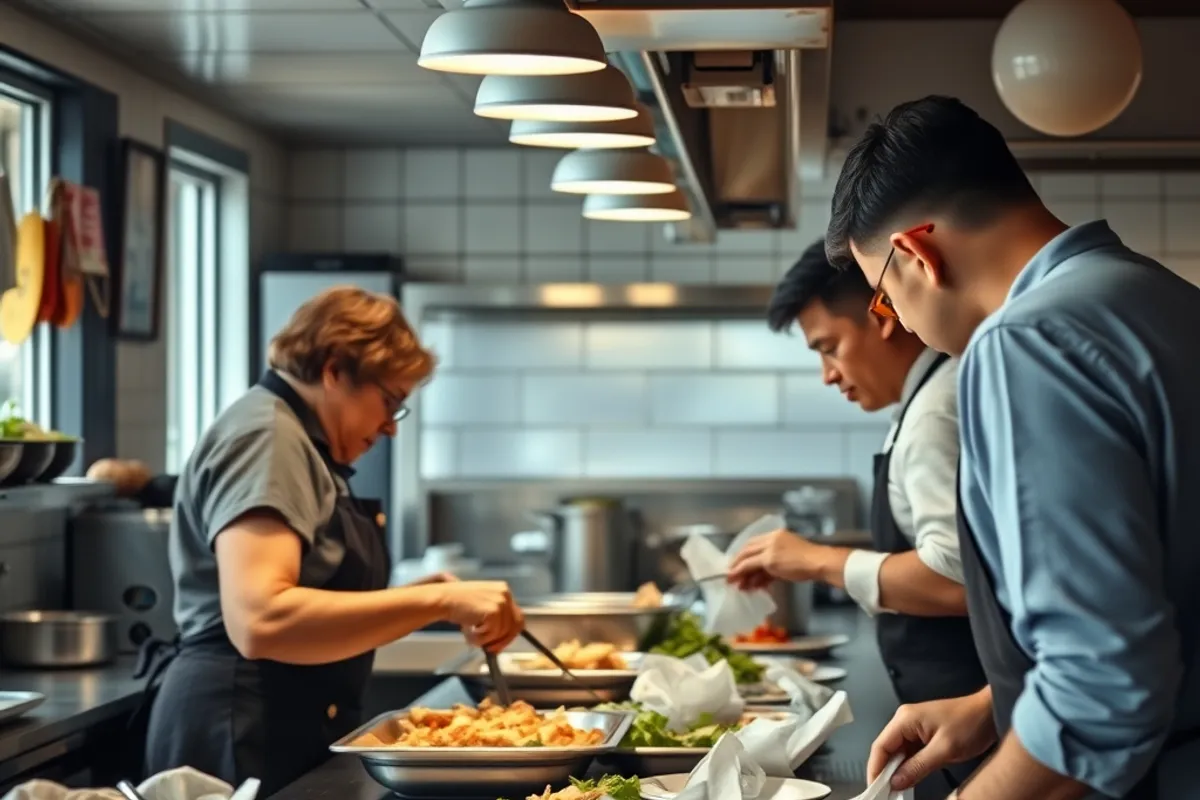
The clearest change was the rise of compact production. A single kitchen could supply a cafe counter, a takeaway window and a delivery menu from the same prep list. Shared kitchens let two businesses use expensive equipment without each carrying the full cost.
This model favours short menus and careful buying. It also reduces the room for experiment, because a failed special now affects several outlets at once. Cooks described a practical trade: less waste and lower rent, but fewer chances to try something unfamiliar.
The restaurants that lasted were not the ones with the biggest menus. They were the ones that could still afford to open tomorrow.
What the high street kept
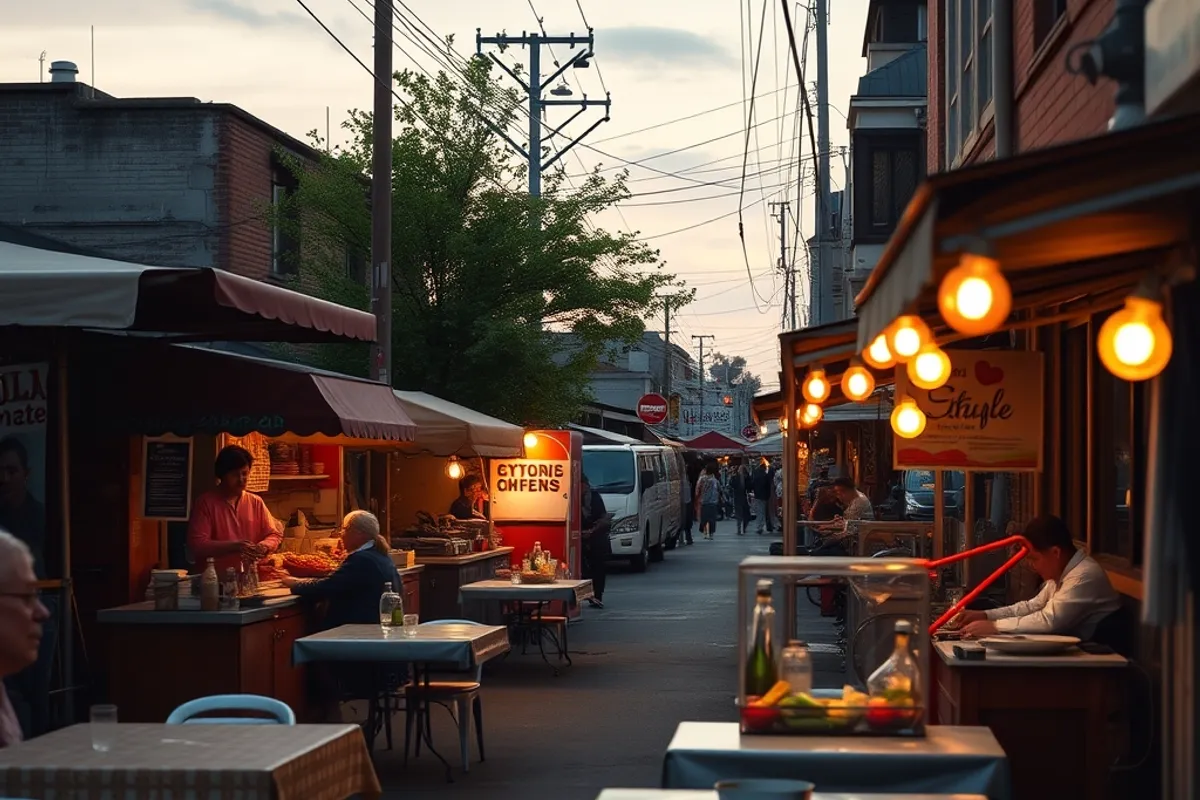
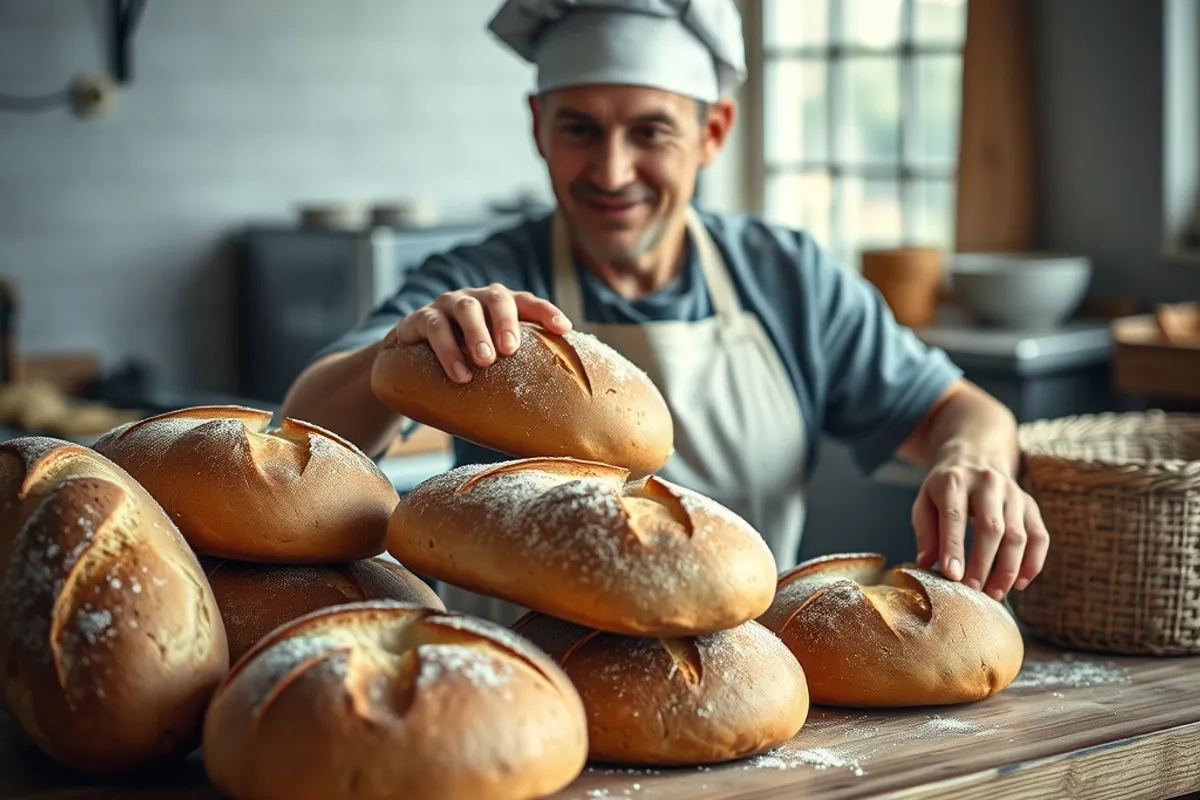
Bakeries, cafes and neighbourhood takeaways showed the strongest repeat trade. They served people on a known route: before work, after school or on the walk home. That routine is harder for a delivery-only brand to replace.
Physical space still mattered, even when it was small. A counter, a few seats and a visible opening time told residents that a business was stable. The pattern resembles the library shared-space report: regular use grows when a place is easy to return to.
Local food became a daily habit
Food culture in 2026 was less about destination restaurants and more about repeated, modest choices. Weekly market stalls, community fridges and school meal programmes put local producers into ordinary shopping trips. Customers learned what was in season because they saw it every week.
These habits survived price rises better than occasional treated meals. A stall selling bread, fruit or ready meals could keep a small circle of loyal buyers even in a difficult month. That loyalty was built through routine rather than promotion.
What survived and what moved
The businesses that lasted tended to keep costs fixed and decisions simple. They owned or rented modest space, bought a narrow range of ingredients and knew which hours actually paid. Closures were concentrated among venues that depended on a large room and a long menu.
Some food moved away from the high street entirely, into markets, community halls and shared kitchens. Heat, ventilation and pavement space shaped those moves as much as rent did, a point also covered in our city heat plans. What survived was not always in the old location, but it stayed close to the neighbourhood.