Why the route matters more than the map
Aid corridor news tends to focus on roads that opened or closed. The more useful story in 2026 is what happened to a consignment after it left the depot: which border post it used, which forms travelled with it, and who signed for it at the far end. A shorter road can still be the slower option if the documents are incomplete.
We followed the route descriptions published by humanitarian coordinators and compared them with the local election coverage on how public institutions absorb new rules. The parallel is closer than it looks: both stories turn on who is authorised to certify a decision. In relief work, that decision can determine whether a truck waits two hours or two days.
Paperwork moved upstream
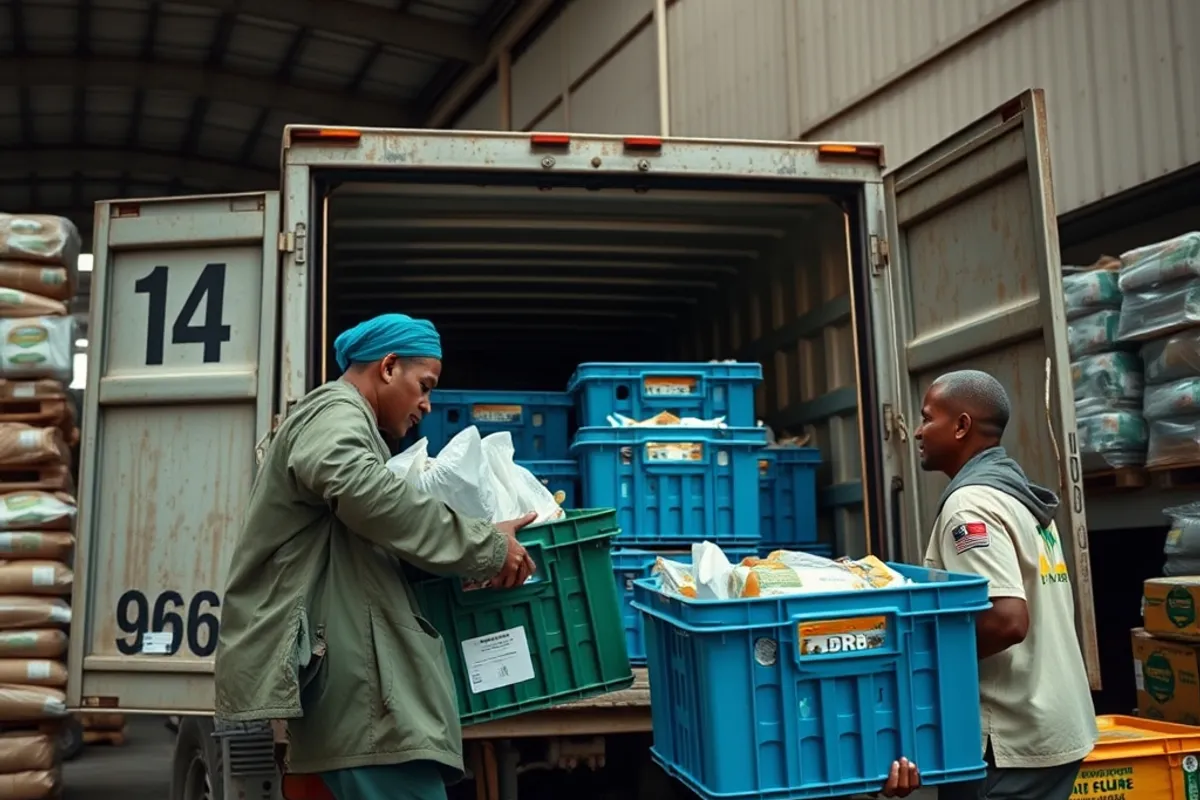
Several corridors introduced pre-departure manifests that list every pallet before a vehicle reaches the border. That reduces the time spent sorting goods at the crossing, but it puts more pressure on the loading bay where the list is created. A mismatched carton number can hold an entire consignment even when the goods themselves are uncontroversial.
Agencies responded by splitting loads into smaller, better documented batches. As a rounded example, a convoy that once carried a mixed cargo now often travels as two or three sealed loads with separate papers. The extra paperwork is deliberate: it makes the slow part visible before the truck reaches a checkpoint.
Delivery times followed the file, not the distance
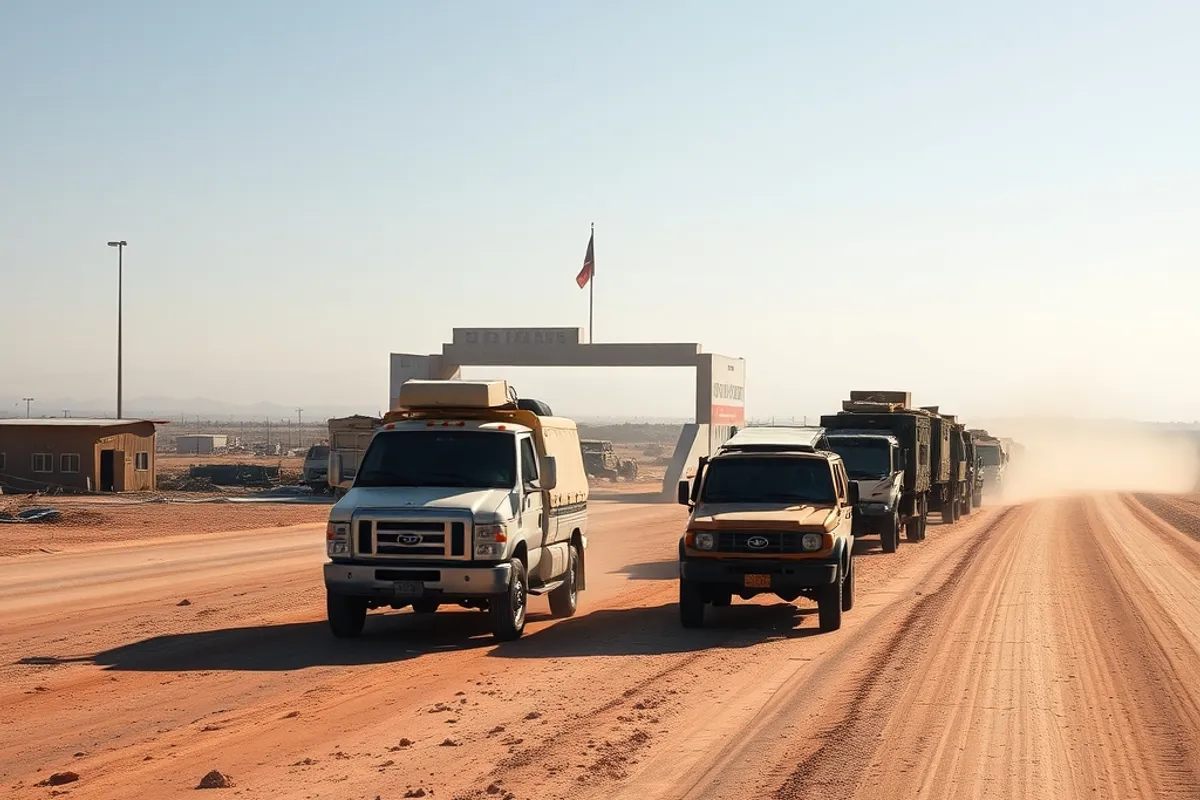
In practical terms, the fastest corridor in 2026 was not always the shortest one on the map. Routes with predictable customs windows and consistent documentation moved staple goods in a steadier rhythm than routes that relied on ad hoc clearance. Comparisons here are approximate, because agencies publish different definitions of what counts as delivered.
The same caution applies to any headline about speed. A delivery recorded at a central warehouse is not the same as a delivery to a district clinic, and the last leg is often the least measured. Readers should ask which point in the chain the clock stops at before repeating a number.

A relief route is only as fast as the slowest document in the convoy.
Accountability starts with a receipt
The most durable change was quieter than the route announcements. Warehouse receipts, seal numbers and signed handover sheets became the standard way to connect a donation to a specific destination. When a shipment is delayed, those records show whether the problem was a road, a form or a warehouse with no space.
That paper trail also protects local staff. A driver who can show a signed handover is not blamed for a gap that occurred after the goods changed hands. Auditors prefer a plain record with a clear timestamp to a polished narrative written weeks later.
Local partners became the final check
International agencies still move most of the long-haul supplies, but local organisations increasingly confirm the last stretch. They know which districts can receive a truck, which storage rooms are dry and which roads are closed after rain. That knowledge is hard to replace from a regional office.
The shift changes accountability in a useful way. A partner that signs for a consignment can also say when the contents do not match the needs on the ground. For a different view of shared local infrastructure, see our piece on public libraries and how buildings become delivery points for everyday services.

What to check in the next corridor announcement
When a new route is announced, look for four things: the documents required before departure, the point where ownership transfers, the definition of delivery, and the name of the organisation signing at the far end. If one of those is missing, the announcement is a plan rather than a working corridor. The distinction matters when people are waiting for supplies.
Corridors will keep changing as borders, weather and funding shift. The habit of following the paperwork gives a clearer picture than watching the convoy photographs. It also makes it easier to tell when a route genuinely improved and when it was only renamed.