
Where approvals are happening
Small business lending in 2026 shows a split market. Some lenders have tightened standards after periods of uncertainty, while others are competing for borrowers with clear revenue records. Approval is less about a single credit score and more about the full picture: cash flow, customer concentration, collateral, and time in business.
Owners are also seeing differences by industry. Businesses with predictable contracts or recurring revenue often move through underwriting faster than those with seasonal spikes. The practical lesson is to apply where your business model is understood, not only where the rate looks attractive.
The role of community banks
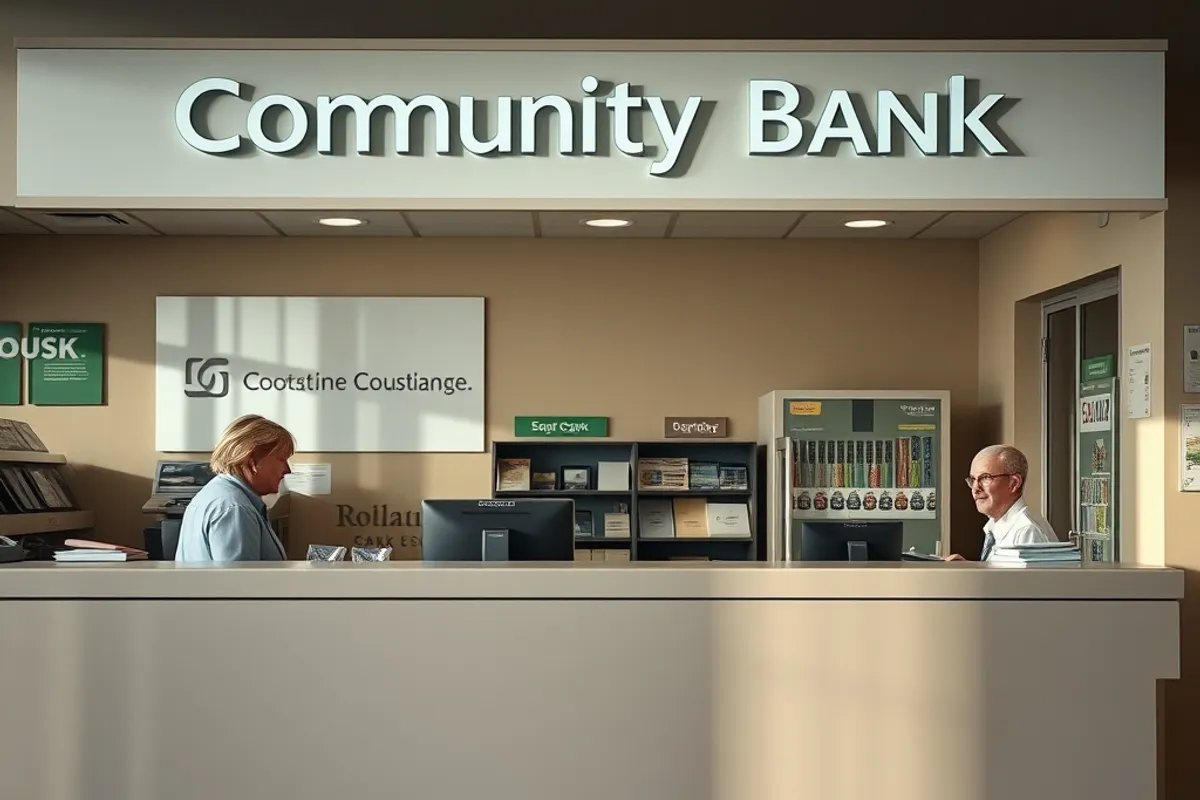
Community banks remain an important channel because they can evaluate local context that automated models may miss. A lender who understands regional demand, supplier relationships, or local property values may interpret risk differently than a distant underwriting system. That does not guarantee approval, but it can make the review more nuanced.
Relationship banking also affects the process after closing. When terms need adjustment or a business hits a rough quarter, an existing relationship can make conversations faster. Owners weighing options should compare that service value alongside pricing, especially when cash timing is tight.
Shorter-term loans and cash flow
Shorter-term loans have drawn interest because they can reduce total interest paid over the life of the loan. The tradeoff is a higher periodic payment, which can strain businesses with uneven receipts. A loan that looks cheaper on total cost can become expensive if it forces late payments, overdraft fees, or missed supplier discounts.
Before choosing term length, owners should map repayments against realistic cash inflows, not best-case projections. The same discipline used to evaluate inflation in the 2026 price basket applies here: look past the headline number and examine the structure underneath it.

The right loan is not just the one you can get approved for. It is the one whose repayment rhythm matches how your business actually earns cash.
What lenders check before saying yes
Most lenders start with cash flow because it answers the basic question: can the business repay from operations? Bank statements, tax returns, accounts receivable aging, and existing debt obligations help form that view. Clean documentation does not replace strong performance, but it reduces friction and avoidable delays.
Lenders also examine how the borrowed funds will be used. A loan tied to a specific revenue-generating purpose, such as equipment, inventory, or contract fulfillment, is often easier to assess than vague working capital requests. Clear use-of-funds explanations show planning and reduce perceived risk.
Comparing offers beyond the rate
The interest rate is only one part of borrowing cost. Fees, prepayment penalties, collateral requirements, personal guarantees, and reporting covenants can change the real burden of a loan. Two offers with similar rates may have very different consequences if business conditions shift.
Owners should compare the annualized cost and the operational restrictions side by side. Technology can help organize documents and cash projections, but tools are only as useful as the assumptions behind them; see on-device AI in 2026 for how smaller teams are using local tools in daily workflows. A simple spreadsheet review before signing can prevent costly surprises.

Borrowing with a plan
A borrowing decision is strongest when it includes a repayment scenario for slower months. Owners can stress-test the loan by asking what happens if revenue drops, a major customer pays late, or costs rise unexpectedly. If the payment only works in an optimistic case, the loan size or term may need adjustment.
Good borrowing is not about maximizing approval amount. It is about matching capital to a clear business need, a realistic repayment path, and a lender relationship that fits the company. In 2026, the businesses that borrow carefully are often the ones that keep flexibility when conditions change.